
Leaving a Las Vegas Home Empty: The Plumbing Checklist
By American Brothers Plumbing · 2026-09-25 · 5 min read
A supply line that fails in an occupied house is noticed in minutes. The same failure in a house nobody has walked into since May runs continuously, and what it does to drywall, flooring and framing in that time is not comparable.
The valley has a lot of houses that sit empty for stretches — seasonal residents, second homes, rentals between tenants, long trips. The precautions are simple and almost nobody takes them.
Shut the Water Off. Genuinely Off.
This is the single measure that makes everything else unnecessary.
Not the fixture stops — the main. Find it before you need it: usually where the supply enters the house, in a garage wall or an exterior box near the front. Close it and then open a tap inside to confirm the flow actually stops and does not simply dribble down. An old gate valve can look closed and still pass water.
If the valve will not hold, that is worth fixing before you leave rather than discovering later. Our piece on shutting the water off in an emergency covers finding and testing it.
One caution: if you have landscape irrigation on the same supply, shutting the main kills it too. Most systems tee off before the house shut-off, but not all. Check rather than assume, or you will come back to dead plants and a large replanting bill.
The Water Heater Is the Part People Forget
A tank sitting at temperature for two months, serving nobody, is doing nothing useful and continuing to age.
If the water is off at the main, the heater should be turned down or off as well. Gas units generally have a vacation setting; electric units can be switched off at the breaker. What you should not do is leave a unit powered and firing with the supply isolated — an unusual scenario, but one worth avoiding.
Turning it down also means the tank is not being held at temperature through a valley summer for the benefit of nobody.
If you would rather not shut the water off entirely, at minimum turn the heater down. It is the appliance most likely to fail messily and the one whose failure does the most damage, because it holds forty or fifty gallons ready to release.
Before You Go
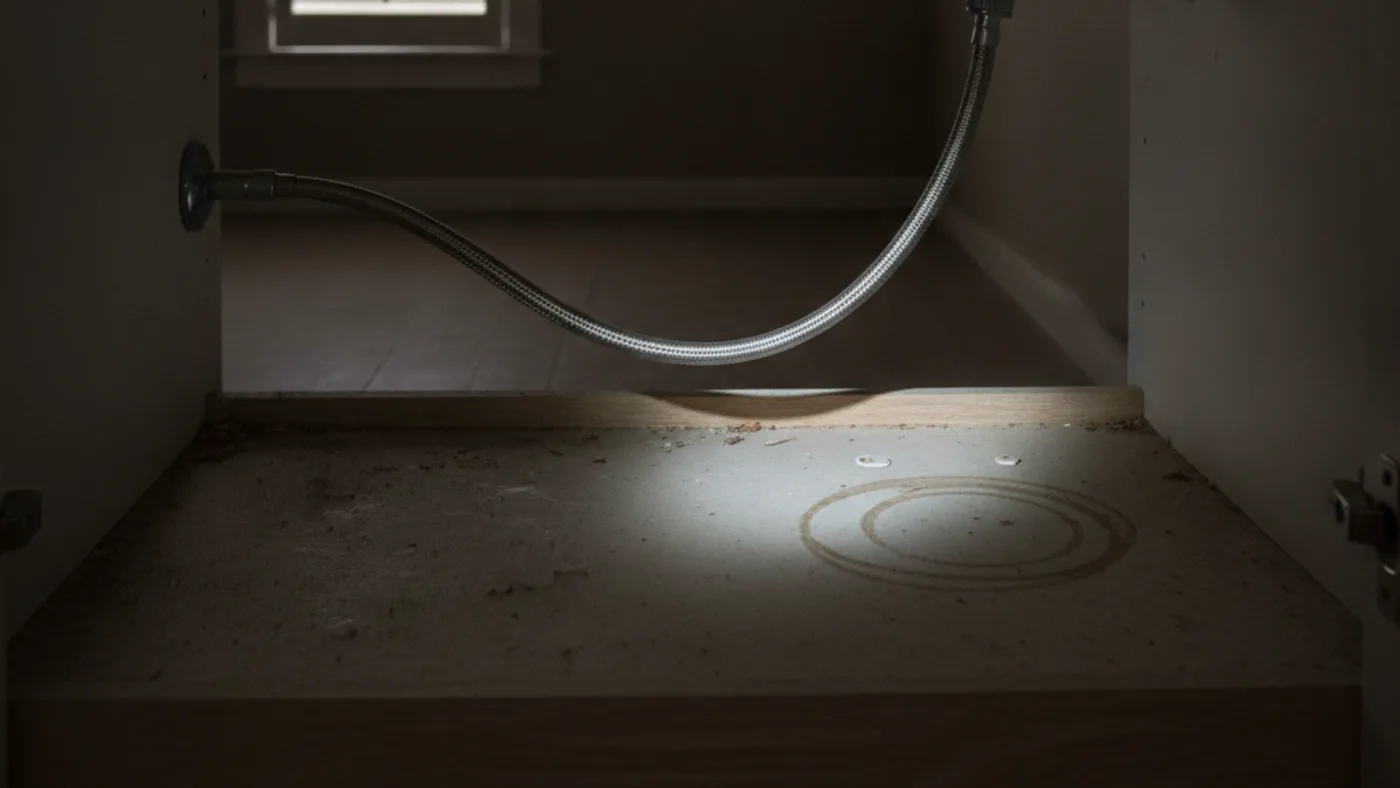
Check the flexible supply lines. Washing machine, toilets, under sinks. Braided stainless is what you want; anything rubber and visibly old is worth replacing now rather than trusting for eight weeks.
Look under every sink. Five minutes with a torch. Any staining, any stiffness in the supply lines, any damp in the cabinet base.
Clear the washing machine. Turn its taps off at the wall.
Run the dishwasher empty, then leave it shut. Seals dry out and perish.
Pour water down every drain that will not be used, including the guest bathroom and any floor drains. Traps dry out in this climate quickly, and a dry trap is an open pipe letting sewer gas into the house. It is the usual explanation for a smell that greets people on their return.
Deal with the pool equipment if the property has it, since that is often the plumbing most exposed to the elements.
If Someone Will Be Checking In
Worth being specific with them rather than leaving it to judgement.
Ask them to walk the interior, not just collect post from the doorway. Tell them where the main shut-off is and confirm they can operate it. Ask them to look at ceilings below bathrooms, and at the base of the water heater, since both show trouble before anything becomes obvious elsewhere.
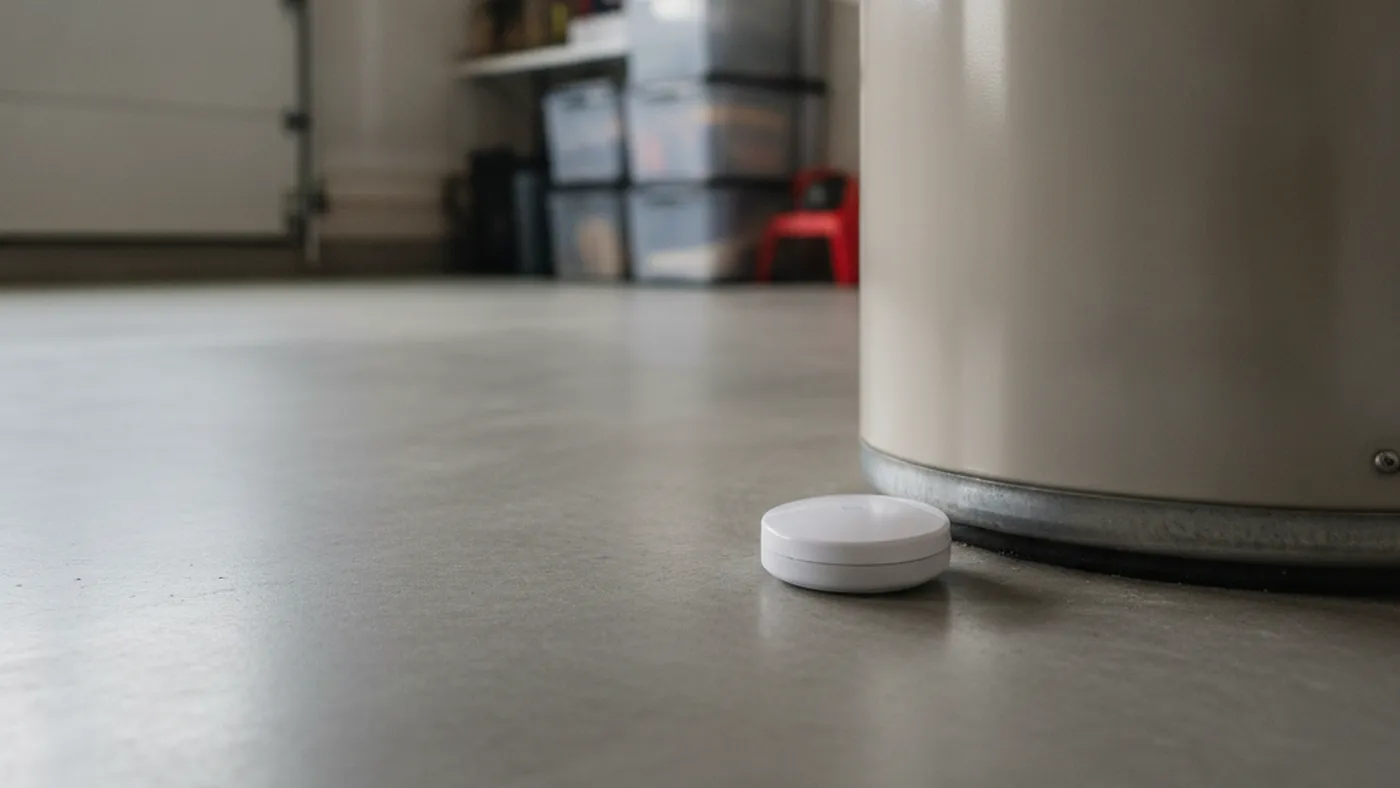
If nobody is checking in, a leak detection device with a cellular alert is worth considering. The ones that sit on the floor beside the water heater are inexpensive; the ones that clamp to the main and shut it off automatically cost more and do the whole job.
Coming Back
Open the main slowly. Fast refill sends a pressure surge and air through the system and it is hard on fixtures.
Open taps and let air purge, highest fixture first, until the flow runs steady rather than spitting.
Turn the water heater back up before you need it, not when you want a shower — a tank takes time to recover.
Then look. Under sinks, at the heater, at the ceilings. A slow leak that started while you were away announces itself in the first day back if you look for it.
Two Things Worth Doing Once
Know where the main shut-off is, and that it works. Most people discover theirs during an emergency, in the dark, and find it seized.
Consider a pressure check. Valley pressure runs high in places, and high pressure is hard on every connection in the house — the ones most likely to give way while nobody is home. Our high water pressure piece explains what to look for.
If Something Has Already Gone Wrong
If you have come back to water where it should not be, the sequence is: water off at the main, power off to anything affected, then call. Do not wait to see whether it dries out.
American Brothers Plumbing handles leak detection across Las Vegas, Henderson, Summerlin and the rest of the valley. We are licensed, bonded and insured and open 7 days a week.
Call (702) 704-1776.
Need a Plumber in Las Vegas?
Our licensed team is ready to help, with same-day service and free estimates.
Call (702) 704-1776